I was meeting with a leader whose results speak for themselves. He gets things done because of his incredible discipline. He’s values-driven and has a remarkable ability to learn and adapt on his feet. Because of these qualities, people trust his judgment, and the organization relies on him when the stakes are high.
As we talked about his development, I shared an observation that surprised him. Some of the areas he was being asked to work on weren’t weaknesses at all. They were strengths, just turned up too loud.
He looked puzzled, so I offered a metaphor.
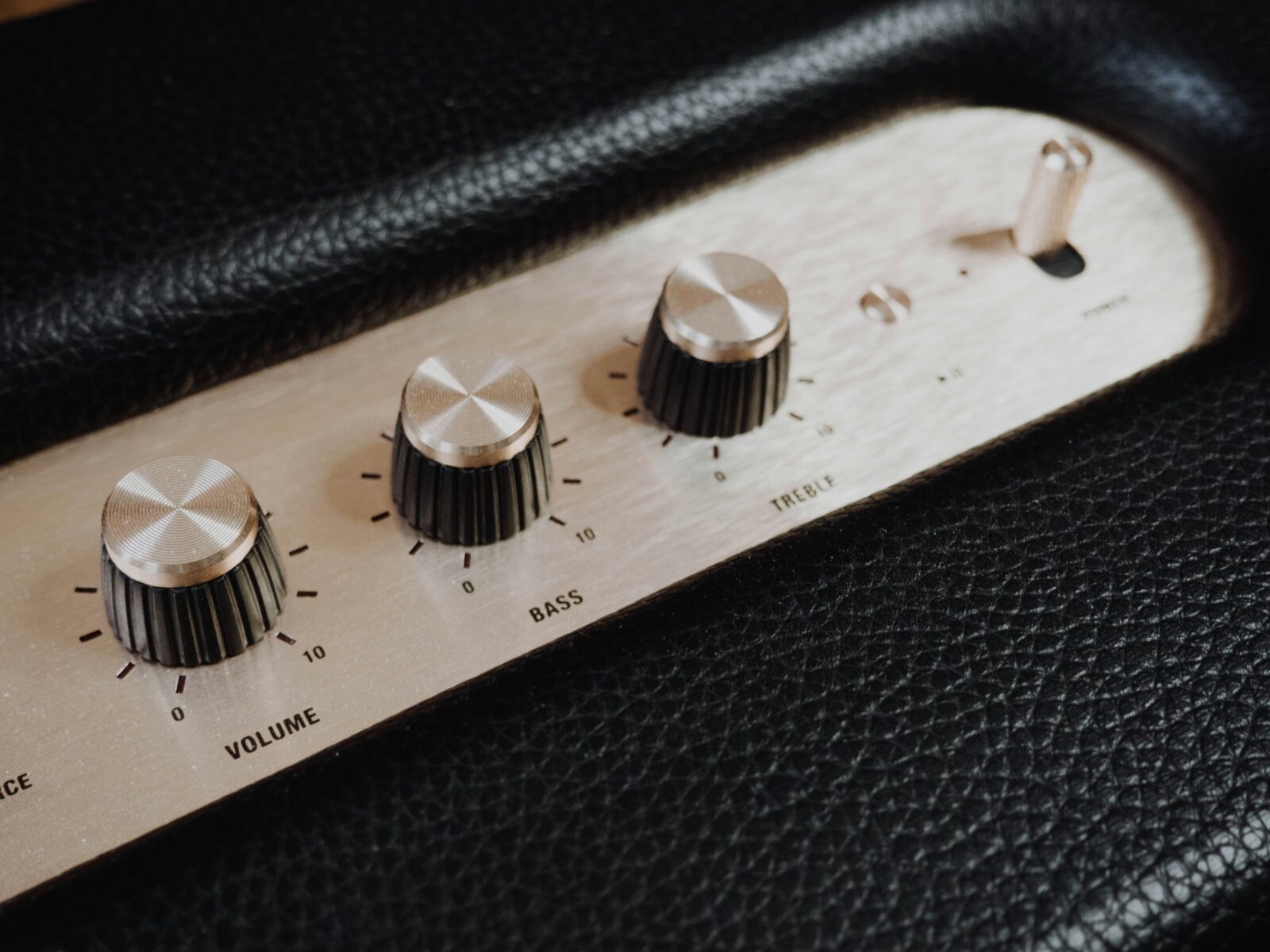
“Think about music,” I said. “Imagine for a moment that you are a part of a band. Self-awareness is your ability to hear the music as it’s actually being played. You can hear the part you’re playing and the whole sound in the room. Self-discipline is the volume control. It’s the ability to adjust your volume so the melody and the harmony can both be heard.”
That framing slowed the conversation down.
He then talked about how often he feels frustrated when others don’t meet his standards or move as quickly as he does. The work feels obvious to him, the pace feels necessary, and when others lag, disappointment sets in.
“That frustration,” I said, “is information. It’s telling you something about the music in the room. It’s your cue to listen more carefully before turning your own volume up.”
We talked about how leaders with strong standards and high capacity often default to playing their instrument louder when things aren’t going well. When volume drowns everybody out, others stop contributing. They don’t feel they can add something to the music that won’t sound off-key.
He’d received feedback that some people experienced his style as intimidating, even though that was never his intent. His values were solid, expectations were clear, andcared deeply about doing things the right way. When his strengths were always expressed at full volume, the space for others to play disappeared.
“That’s the difference,” I told him. “Knowing the song isn’t enough. Leadership requires hearing how it’s landing and having the discipline to adjust the volume so the full music can emerge.”
As we talked, it became clear that the real work was strengthening the link between awareness and discipline, between hearing the room and adjusting how he showed up in it.
“Turning the volume down” was about creating space: space for others to contribute, space for ideas to surface, and space for harmony to form.
He smiled, paused, and then said, “I think I’ve been playing my part well, but I haven’t always been listening closely enough. It’s probably time to turn the volume down so the rest of the band can come in.”
Exactly.
Leadership isn’t about playing softly all the time. It’s about knowing when to lean in and when to pull back. Self-awareness lets leaders hear the music as it is. Self-discipline gives them the ability to adjust the volume in the service of something bigger than their own part.
When leaders learn to do both, the melody remains strong, the harmony grows richer, and the music becomes something everyone wants to be part of.
One question for you as you reflect on this story:
What am I hearing in the room right now, and how do I need to adjust my volume to bring out both the melody and the harmony?
That’s when leadership moves from a solo performance to a shared composition, and the results are better because the sound is fuller.